

In the trucking industry, drivers frequently encounter unexpected road conditions and diverse traffic scenarios, making the mastery of defensive driving not just a skill, but a necessity. For truck drivers, defensive driving is the cornerstone of road safety, significantly reducing the risk of accidents and ensuring the well-being of both the driver and others on the road.
This article isn’t just a collection of techniques and practices; it’s a journey into the heart of defensive driving, highlighting its role in helping you navigate the unpredictable tapestry of the roads.
So, come along as I dive deep into how you, the unsung heroes behind the wheel, can refine your driving strategies, turning every journey into a safer passage for everyone sharing the road with you.
Table of Contents:
- What is defensive driving for truck drivers?
- How important is defensive driving in road safety?
- Defensive Driving Techniques For Truckers
- Strategies for Safe Driving in Different Environmental Conditions
- What is the Role of Truck Maintenance in Defensive Driving?
- The Mental & Physical Aspects of Defensive Driving
- Wrapping-up
What is defensive driving for truck drivers?
Defensive driving, in the context of truck driving, is a proactive approach to navigating the roads.
It involves anticipating potential hazards, understanding the limitations of large vehicles, and consistently making safe, well-informed decisions.
This method goes beyond basic driving skills, requiring truck drivers to always stay alert, foresee possible road scenarios, and react promptly and efficiently. It’s a blend of skill, awareness, and a deep understanding of truck dynamics and road etiquette.

How important is defensive driving in road safety?
Defensive driving plays a pivotal role in ensuring road safety, especially for truck drivers. Given the size and weight of trucks, their impact in road incidents can be significant. By practicing defensive driving, truck drivers can effectively mitigate risks, prevent accidents, and contribute to a safer road environment for everyone.
This approach is not just about individual safety; it’s about fostering a culture of responsibility and care on the highways.
Defensive driving, therefore, becomes a critical component in reducing traffic-related injuries and fatalities, ensuring a safer journey for all road users.
Defensive Driving Techniques For Truckers
Each of these scenarios presents unique challenges, and the ability to handle them effectively is a testament to a truck driver’s defensive driving skills. These techniques not only enhance the safety of the truck driver but also contribute to overall road safety.
By mastering these defensive driving techniques, truck drivers can significantly reduce the likelihood of accidents and ensure a safer experience on the road for themselves and others.
1. Bad Weather
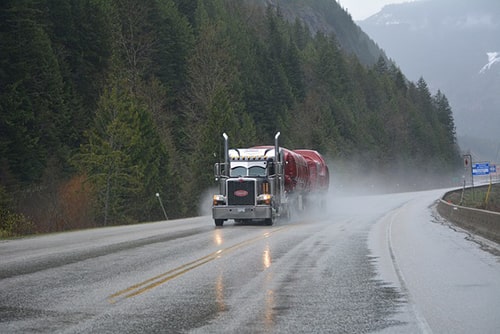
In inclement weather, such as rain or snow, truck drivers must adjust their driving style.
This includes reducing speed, increasing following distance, and using lights appropriately for visibility.
Anticipating longer braking distances and being wary of road surface changes are crucial.
In foggy conditions, using low beams and fog lights, rather than high beams, helps in better visibility.
2. Heavy Traffic

Navigating heavy traffic safely requires heightened vigilance.
Keep a safe distance from other vehicles, anticipate sudden stops, and be patient.
Use mirrors frequently to maintain a 360-degree awareness of the surrounding traffic.
Signaling intentions well in advance helps other drivers anticipate your moves, contributing to smoother traffic flow.
3. Approaching Intersections

Intersections are hotspots for accidents.
Approach them with reduced speed and heightened alertness. Look out for traffic signals, signs, and pedestrians.
Be prepared to stop, even if the light is green, as other vehicles might run red lights or stop signs.
When the truck is in motion after stopping at an intersection, accelerate gradually, as it takes longer to gain speed and maneuver.
4. Changing Lanes in High-Speed Areas

When driving on highways or in areas with higher speed limits, changing lanes requires extra caution.
Truck drivers should use their turn signals well in advance to alert other drivers.
They need to check their blind spots thoroughly, using both mirrors and, if available, blind-spot detection systems.
Gradual and smooth lane changes are key, as sudden movements can be dangerous due to the truck’s size and momentum.
5. Driving through construction zones

Construction zones can be particularly challenging due to changing traffic patterns, reduced lanes, and the presence of workers and equipment.
Slow down well before entering these zones and adhere to posted speed limits.
Be prepared for sudden stops and maintain a safe distance from the vehicle ahead.
Pay attention to signage and flaggers who may be directing traffic, and be ready to adjust your route as directed.
6. Dealing with Aggressive Drivers
Encounters with aggressive drivers are not uncommon. The best defensive tactic is to stay calm and avoid confrontation.
Maintain a consistent speed, don’t engage in retaliatory actions like braking suddenly or speeding up, and allow aggressive drivers to pass safely.
It’s important to focus on your own driving and safety, rather than responding to the provocations of others.
7. Descending Steep Grades

When driving down steep hills, it’s crucial to manage speed effectively to avoid brake overuse and potential failure.
Use engine braking or downshift to a lower gear to allow the engine to help control the vehicle’s speed.
Monitor the speedometer and stay within the safe speed limits for the descent.
It’s also smart to keep a generous distance from other vehicles, as stopping distances can significantly increase on downhill gradients.
8. Driving in Urban Areas

Navigating through busy urban streets demands heightened awareness due to increased pedestrian and vehicular traffic.
Truck drivers should anticipate unpredictable movements from pedestrians and cyclists, especially at crosswalks and intersections.
Slow down in densely populated areas and be prepared to stop suddenly.
Wide turns require careful planning and signaling well in advance to alert other road users.
9. Passing Through Tunnels
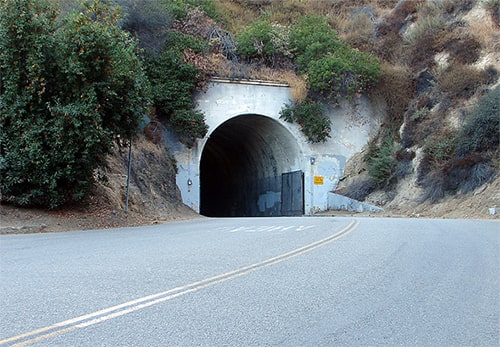
Tunnels can be challenging due to the sudden change in lighting and potential congestion inside.
Slow down as you enter the tunnel and adjust your eyes to the change in light.
Keep a safe distance from the vehicle ahead and be aware of the reduced escape routes in case of an emergency.
Ensure your headlights are on for visibility.
10. Driving on Slippery or Icy Roads

In icy conditions, every action should be gentle and gradual – whether it’s steering, braking, or accelerating.
Increase following distances to allow more time to react. If the truck begins to skid, steer gently in the direction you want to go and avoid slamming on the brakes, which can worsen the skid.
Use tire chains when recommended or required by local laws.
11. Handling High Winds and Crosswinds
Driving in high winds, especially in areas prone to sudden gusts, requires special attention.
Reduce speed as high winds can affect the stability of the truck, particularly when hauling empty trailers. Keep a firm grip on the steering wheel and be prepared for sudden gusts, especially when emerging from tunnels or passing large buildings.
Positioning the vehicle in the center of the lane provides additional space to maneuver if pushed by a gust.
12. Dealing with Wildlife Crossings

In areas prone to wildlife crossings, extra vigilance is required, particularly during dawn and dusk when animals are most active. Slow down and use high beams (when there’s no oncoming traffic) to better spot animals.
If an animal is on the road, brake firmly but safely; it’s generally safer to hit the animal than to swerve and potentially lose control or collide with another vehicle.
13. Reacting to Vehicle Malfunctions
In case of a vehicle malfunction, such as a tire blowout or engine trouble, the key is to stay calm and maintain control.
Gradually slow down and use your signals to move to the safest area, like the shoulder of the road.
Avoid sudden maneuvers or braking, which could lead to loss of control, especially with a heavy load.
14. Handling Tailgaters

When other vehicles are following too closely, it can be nerve-wracking, particularly in a large truck. Instead of speeding up or braking abruptly, maintain a steady speed and keep your driving predictable.
If possible and safe, gradually move to another lane to let the tailgater pass. It’s important to resist the urge to confront or interact with the tailgater, as this can escalate the situation.
15. Driving Around Curves

When approaching a curve, especially on highways, reduce your speed before entering the curve.
This is crucial for maintaining control, as trucks can tip over if taken at too high a speed.
Keep the truck centered in your lane, as curves can limit your visibility of oncoming traffic and potential hazards.
16. Encountering Emergency Vehicles

Upon seeing emergency vehicles with flashing lights, slow down and move to the right, clearing the path for them to pass.
If an emergency vehicle is stopped on the side of the road, move to the far lane if possible, providing a safe space for emergency responders.
17. Railroad Crossings

Approach railroad crossings with caution, reducing speed and looking both ways for oncoming trains, even if signals aren’t flashing.
Never attempt to cross if a train is approaching, and be especially cautious at crossings without gates or flashing lights.
Strategies for Safe Driving in Different Environmental Conditions
Navigating the roads safely as a truck driver means being prepared for a variety of environmental conditions, each presenting its own set of challenges.
To help you adapt your driving strategy according to the specific demands of the road and weather, we’ve compiled a table of practical strategies. These tips cover a range of scenarios, from wet and icy roads to driving in mountainous terrain, offering valuable guidance for maintaining safety in diverse conditions.
Whether you’re facing fog, high winds, extreme temperatures, or the unique demands of night driving, this table serves as a quick-reference guide to ensure a safe and efficient journey, no matter what the road throws your way.
| Environmental Condition | Strategy |
|---|---|
| Wet Roads | Slow down to prevent hydroplaning. Use headlights and wipers. Increase following distances. |
| Hot Weather | Check tire pressure and coolant levels frequently. Stay hydrated. Plan for rest breaks. |
| Cold Weather/Snow | Use winter tires if applicable. Keep de-icing equipment handy. Warm up the engine before driving. |
| Icy Conditions | Drive slowly and smoothly. Avoid sudden movements. Use low gears on slopes. |
| Fog | Reduce speed. Use fog lights or low beams. Follow road markings if visibility is poor. |
| High Winds | Reduce speed. Be prepared for gusts, especially in open areas or when passing large vehicles. |
| Night Driving | Use high beams when safe to do so. Stay alert for animals or pedestrians. Take frequent breaks to avoid fatigue. |
| Mountainous Terrain | Use lower gears to control speed on descents. Be wary of sudden changes in weather conditions. |
What is the Role of Truck Maintenance in Defensive Driving?
Regular vehicle maintenance is a critical aspect of defensive driving for truck drivers. It ensures that the truck is in optimal operating condition, which is essential for safety on the road.
Properly maintained trucks are less likely to experience mechanical failures that can lead to accidents or hazardous situations. Regular maintenance checks also ensure that key safety features of the truck, such as brakes, tires, and lights, are functioning correctly, significantly reducing the risk of malfunctions that could compromise safety. In essence, a well-maintained truck responds better in emergency situations, allowing the driver to execute defensive driving techniques more effectively.
Checklist of Essential Maintenance Tasks
- Brake System: Regularly inspect and service the brake pads, rotors, drums, and fluids. Ensure that the air brake system is free of leaks and the air pressure is within the recommended range.
- Tires: Check tire pressure regularly and adjust according to the load. Inspect tires for wear, tear, and damage, and ensure they have adequate tread depth. Rotate and replace tires as needed.
- Lights and Signals: Ensure all headlights, brake lights, turn signals, and emergency flashers are operational. Replace any burnt-out bulbs and clean the lenses for better visibility.
- Engine and Transmission: Perform regular oil changes and check fluid levels, including engine oil, transmission fluid, and coolant. Inspect for any leaks or unusual noises.
- Suspension System: Inspect the suspension system, including springs, shock absorbers, and struts, for wear and damage. Ensure it is functioning correctly to maintain vehicle stability.
- Steering Mechanism: Check the steering system for responsiveness. Ensure there is no excessive play in the steering wheel and that the truck maintains a straight line without drifting.
- Mirrors and Windshield: Keep mirrors properly adjusted and the windshield clean and free of cracks. Replace windshield wipers as needed to maintain visibility during bad weather.
- Exhaust System: Inspect the exhaust system for leaks, which can be dangerous to the driver and the environment.
- Fuel System: Regularly check for leaks in the fuel system and ensure the fuel filter is clean to prevent clogging.
- Emergency Equipment: Ensure that all necessary emergency equipment, including fire extinguishers, warning triangles, and first-aid kits, are present, easily accessible, and in good condition.
The Mental and Physical Aspects of Defensive Driving
The mental and physical aspects of defensive driving are deeply interconnected and play a crucial role in a truck driver’s ability to navigate the roads safely. Mentally, defensive driving demands constant alertness, the ability to anticipate potential hazards, and the foresight to make quick, yet calculated decisions.
This level of sustained concentration can be mentally taxing, requiring drivers to be vigilant about their mental health and stress levels. Regular mental breaks, coupled with techniques like mindfulness or relaxation exercises, can help maintain this critical mental acuity.
Physically, the demands of long hours behind the wheel take a toll on the body. Posture is critical. sitting correctly and adjusting the seat and steering wheel to reduce strain on the back, neck, and shoulders can prevent fatigue and physical discomfort. Additionally, maintaining physical fitness through regular exercise contributes to overall well-being and stamina, which is essential for enduring the rigors of long-haul driving.
The mental and physical aspects of defensive driving are about maintaining a state of readiness and resilience. A driver who is mentally sharp and physically fit is better equipped to handle the unpredictability of the road, making defensive driving a holistic practice that extends beyond the driver’s seat.
Wrapping-up
In conclusion, our comprehensive exploration of defensive driving for truck drivers underscores the multifaceted nature of safe driving practices. From understanding the core principles of defensive driving to implementing practical techniques for various road scenarios, the importance of a proactive and cautious approach on the road cannot be overstated. Regular vehicle maintenance plays a pivotal role in ensuring safety, and adapting driving strategies to different environmental conditions is crucial.
Equally important are the mental and physical aspects of driving. Managing fatigue and stress is essential for maintaining the high level of alertness required for defensive driving. By embracing these practices, truck drivers not only safeguard their own well-being but also contribute significantly to the safety of all road users.
I encourage all truck drivers to commit to these safe and defensive driving practices. Remember, every journey you undertake has the potential to impact not just your life but the lives of countless others on the road. By prioritizing safety, staying vigilant, and continually honing your defensive driving skills, you uphold a professional standard of driving that is exemplary and crucial for the welfare of our shared roadways. Stay safe and drive defensively.
