
Fuel is a massive expense for U.S. trucking operations – often the largest variable cost. A typical long-haul truck might burn over 20,000 gallons of diesel in a year, racking up more than $70,000 in fuel bills.
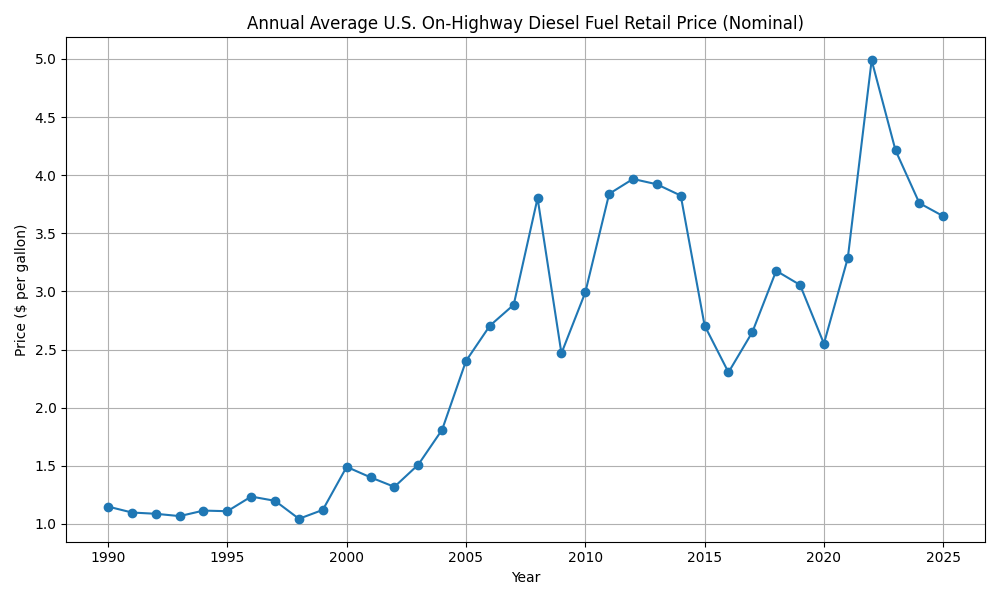
In fact, fuel can consume 30–40% of an owner-operator’s budget. Diesel prices spiked in 2022 and averaged around $4.21 per gallon in 2023; even after some relief (hovering $3.70 in mid-2025), fuel remains a budget-buster. For owner-operators and fleet managers, every drop of diesel saved counts towards your bottom line.
The good news? By adopting proven, field-tested fuel-saving strategies, you can trim 10–20% off your fuel costs, without compromising delivery schedules or truck performance.
This article focuses on practical steps that really work in the U.S. trucking industry. We’ll cover how smart driving habits, better route planning, technology (telematics), diligent maintenance, and savvy fuel purchasing can all translate into real savings
Let’s dive into the strategies that can put money back in your pocket.
Smart Driving Habits: Little Changes, Big Savings
How a truck is driven has a huge impact on fuel efficiency. Studies show that focused driver training can improve a fleet’s fuel economy by 5–15%. In other words, the person behind the wheel is the #1 factor in miles-per-gallon. By making a few adjustments to driving behavior, you can save thousands per year in fuel.
Here are some driver habits that truly pay off.
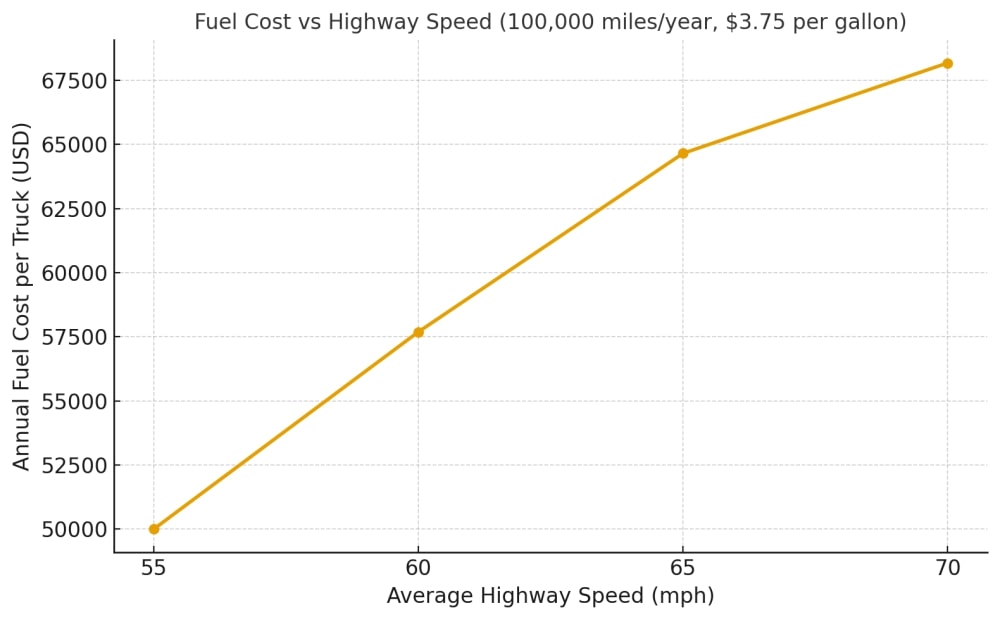
Slow Down on the Highway: Speed is the enemy of fuel economy. Pushing a heavy rig at 70 mph or more dramatically increases drag and engine load. According to Shell, every 1 mph over 55 mph costs about 0.1 to 0.2 mpg in fuel economy. That might sound small, but it adds up fast. Dropping from 65 mph to 60 mph can save roughly $5,000 in fuel per truck per year for long-haul operations.
To put it in perspective, a driver averaging 70 mph (around 5.5 mpg) will spend about $13,000 to $15,000 more on fuel annually than a driver holding steady at 60 mph (about 6.5 mpg), assuming 100,000 miles a year and diesel at $3.75 per gallon.
In short, easing off the throttle a bit is one of the simplest and most profitable moves you can make.
Avoid Hard Acceleration and Braking: Smooth driving = fuel savings
Jumping on the accelerator or slamming brakes not only wears out equipment, it guzzles fuel. According to EPA testing, frequent rapid acceleration and heavy braking can slash highway fuel efficiency by up to 33%. That’s like throwing away a third of your fuel! Encourage drivers to accelerate gradually and anticipate stops. Maintaining a longer following distance (say 7+ seconds) lets you coast and brake less, preserving momentum and fuel. Consistent, gentle driving keeps your truck in its optimal fuel-efficiency range.
Use Cruise Control (Wisely)
On open highways, cruise control helps maintain steady speeds, preventing inadvertent speed creep that burns extra diesel. Many fleets set governors or cruise control caps (e.g. 65 mph) to enforce efficient speeds.
Just be mindful in hilly terrain – a skilled driver anticipating hills can sometimes do better by allowing slight speed changes rather than forcing high throttle uphill. New adaptive cruise systems in modern trucks can even adjust speed for terrain to save fuel, blending technology with good old common sense driving.
Limit Excess Idling
Let’s dive into idling next. Before I even start, we should bear in mind to shut the engine off whenever possible. According to the U.S. Department of Energy’s Argonne National Laboratory, a heavy-duty truck burns about 0.8 gallons of diesel per hour while idling. At $3.70 per gallon, that’s roughly $3 per hour with no miles covered.
A typical long-haul truck idles about 1,800 hours per year, using around 1,500 gallons of diesel just to power heating, cooling, and electronics during rest periods. That costs about $5,500 per truck each year, not counting added engine wear since many maintenance schedules are based on engine hours, not miles.
Cutting idle time in half could save a driver about $2,700 annually while reducing emissions and staying within state idling limits. Many fleets now use automatic shutdown systems that stop the engine after a few minutes or install auxiliary power units (APUs) and battery HVAC systems to keep the cab comfortable without burning fuel.
It takes some habit changes, but every hour of unnecessary idling eats into profit.
Driver incentive programs can help cement these habits
Consider using telematics (more on that soon) to track metrics like average speed, MPG, idle percentage, and hard brakes, and then reward drivers who hit fuel-efficiency targets. Even a small bonus or monthly “most fuel-efficient driver” award can motivate friendly competition and continuous improvement.
Cut Down Idle Time: Idle Reduction Solutions
Idling is the silent killer of fuel economy because it produces zero miles per gallon. In long-haul trucking, some idling is unavoidable for heating or cooling during rest periods, but every unnecessary hour burns money.
According to the U.S. Department of Energy’s Argonne National Laboratory, a heavy-duty diesel truck burns about 0.8 gallon of fuel per hour while idling. At $3.70 per gallon, that’s roughly $3 per hour in wasted fuel. For a driver idling eight hours a day, five days a week, that’s nearly $120 per week or about $6,200 per year per truck—money literally going up in smoke.
Idling also accelerates engine wear since service intervals are often based on engine hours, not miles. The DOE Clean Cities Program notes that long-haul trucks idle an average of 1,800 hours per year, burning around 1,500 gallons of diesel just to power cab comfort systems. That’s over $5,500 annually at today’s prices.
Many fleets are cutting idle time through automatic engine shutdown systems, auxiliary power units (APUs), and battery-based HVAC systems that keep the cab comfortable without burning diesel. Beyond saving fuel, these solutions also help fleets comply with state and local anti-idling laws, which can carry fines up to $25,000 in certain jurisdictions.
Here are some practical idle reduction solutions.
Practical idle-reduction tactics:
Use Auxiliary Power Units (APUs) or Diesel Heaters
If overnight cab comfort or engine pre-warming is needed, an APU or bunk heater is far more efficient than running the main engine. A small diesel-fired heater for the sleeper can cost around $1,000 and sip fuel at a fraction of an idling engine’s rate. Full-featured diesel APUs (providing HVAC and power) are pricier (~$8,000 installed) but can pay for themselves in fuel savings within a couple of years. Even a portable generator ($200) or a battery-based HVAC system can drastically cut idle fuel use. Example: One estimate found that a truck idling 50% of the time for a week burns ~19 gallons of diesel, versus only 2 gallons when using a battery HVAC with solar assist (just running the engine occasionally to charge batteries). That’s a 10x reduction in fuel used.
Optimize Parking and Schedules
Plan routes and delivery times to reduce overnight idling needs. For instance, some fleets negotiate for overnight parking at shipper/receiver locations. A driver who can park on-site doesn’t have to idle in traffic racing to a 6 AM delivery – they’re already there, engine off.
Similarly, try to avoid congestion peaks (both to save fuel and time). Idling in traffic burns fuel needlessly; sitting in a jam can increase fuel consumption by up to 30% compared to free-flow driving.
Simple Comfort Solutions
Sometimes the low-tech tricks help: use windshield shades, screens, or insulated curtains in summer to keep the cab cooler longer without A/C. In winter, an extra blanket or a quality sleeping bag can reduce the need for heater idling. Many trucks now have programmable thermostats or remote start – for example, a device that will start the engine only if interior temperature drops below a set point (to prevent freezing). This way, the engine runs just enough to keep conditions livable, instead of running all night.
Every hour of idle you eliminate is pure savings. Track idle time via your engine control module or telematics system – you might be amazed how it adds up. By attacking idle time aggressively, some fleets have cut their fuel usage by 5% or more just from this one area.
Route Planning and Optimization: Smarter Routes, Less Fuel
Not all miles are created equal. “Miles driven” doesn’t always equal “miles paid” – especially if some of those are empty or in heavy traffic. Careful route planning can slash wasted miles and avoid fuel-sucking conditions like congestion and mountainous terrain. This is where technology and strategy intersect to save you diesel.
Consider that 20% (or more) of truck miles are empty on average – trucks running with no cargo (deadhead). Every empty mile is fuel burned without revenue.
Reducing deadhead and out-of-route miles is thus a direct fuel (and profit) booster. Here’s how:
Optimize Routes with GPS and Software
Modern trucking GPS and route optimization tools help fleets plan routes that are fuel-efficient, not just short. The shortest path isn’t always the best if it includes steep grades or heavy traffic.
Avoiding long inclines can save significant fuel, especially with full loads. The U.S. Department of Energy’s National Renewable Energy Laboratory (NREL) shows that energy-aware routing, which accounts for road grade and traffic, can cut vehicle energy use by up to 15–20% on steep terrain.
Many fleets use live-traffic systems to reroute trucks around congestion. According to the U.S. Department of Energy’s Alternative Fuels Data Center, stop-and-go driving can reduce fuel efficiency by 10–40% compared with steady highway travel.
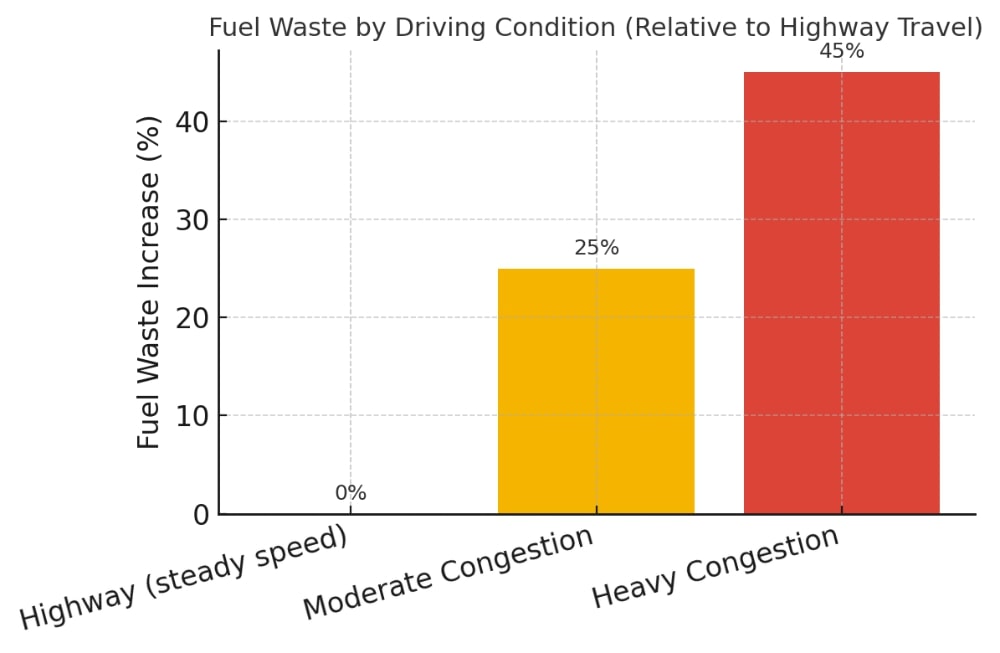
The U.S. Department of Transportation adds that congestion increases both time and fuel costs across the national freight network.
Research using Federal Highway Administration (FHWA) data found that heavy congestion can push fuel use up to 80% higher than free-flow conditions.
The takeaway: a slightly longer route that keeps trucks moving steadily often uses less fuel than a shorter, congested one.
Minimize Empty Miles
Combine or reposition loads to keep your trucks full. Use load boards, brokers, or digital freight platforms to find backhauls so that after delivering, your driver picks up a paying load on the return trip. Strategic dispatch planning supported by software can help reduce empty miles.
Industry data shows that 20–35% of U.S. trucking miles are empty, according to an analysis by FreightWaves. Even small improvements make a difference. Reducing empty miles from 20% to 15% can turn thousands of unpaid miles into revenue and save significant fuel.
Small fleets can build relationships with other local carriers or join freight co-ops to share loads and reduce deadhead miles across the board.
Use Weigh Station Bypass Tools
Getting stuck idling in a weigh station line wastes both time and fuel. Programs such as PrePass and Drivewyze let qualified trucks bypass weigh stations at highway speed using electronic screening and RFID transponders. By avoiding unnecessary stops, drivers reduce idling, braking, and acceleration — all of which burn fuel and increase wear on brakes and tires.
According to the North American Council for Freight Efficiency (NACFE), each bypass can save about half a gallon of fuel, while the Federal Motor Carrier Safety Administration (FMCSA) estimates an average total saving of $8.68 per bypass, including fuel and time. For fleets that cross multiple scales each week, these savings add up quickly. A truck that bypasses 300 stations per year can save roughly 150 gallons of diesel or about $555 annually at $3.70 per gallon.
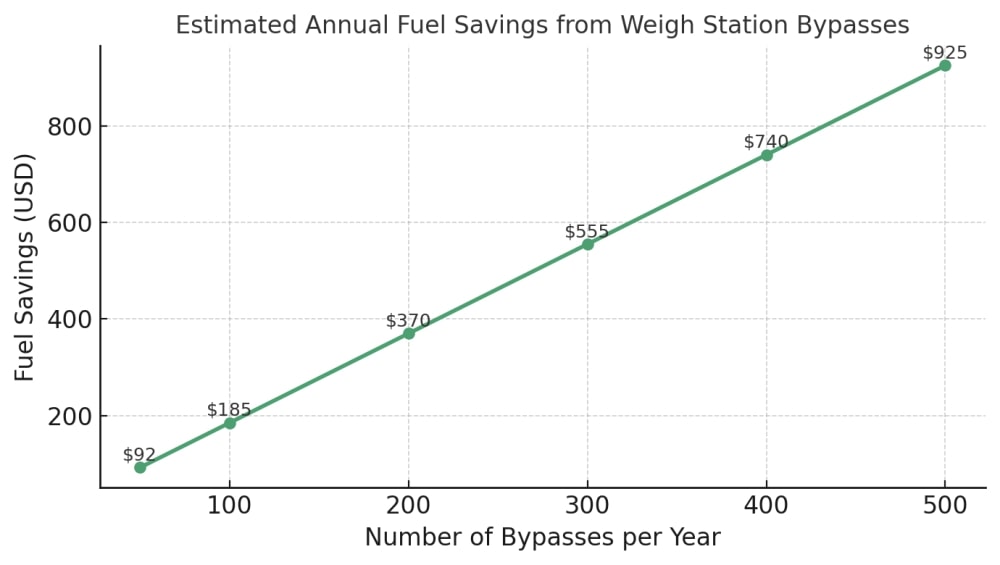
Weigh station bypass systems operate in most states and pay for themselves through reduced downtime, fuel use, and driver frustration. Fleets that maintain strong safety scores and compliance records benefit the most, as these programs prioritize reliable carriers for electronic clearance.
Plan Around Traffic and Timing
Whenever possible, schedule departures to miss rush hour in big metros. Some shippers/receivers will allow off-hour deliveries – a win-win if it means your driver isn’t burning fuel in gridlock. As mentioned earlier, a growing tactic is to let drivers park overnight at customer sites when allowed, so they aren’t battling morning traffic. Also leverage driver expertise: seasoned drivers often know backroads or alternate routes that avoid bottlenecks. Give them flexibility to use their judgment (within reason) on route choice – they can often sidestep known choke points and save fuel.
In short, route efficiency = fuel efficiency. Use the tools at your disposal – from good old-fashioned planning to advanced route optimization software – to drive fewer unnecessary miles and spend less time in conditions where your MPG drops. Many fleets find that investments in routing and dispatch tech pay off within a year through fuel savings alone.
How to Leverage Technology and Telematics in Fuel Saving?
Today’s trucking technology lets you fine-tune fuel efficiency in ways truckers a generation ago could only dream of.
Telematics systems, in particular, have opened up new frontiers in monitoring and improving fuel economy. By leveraging data from your trucks and drivers, you can pinpoint where fuel is wasted and take action in real time.
Here are tech tools and approaches that actually save fuel:
Telematics & Driver Monitoring
Fleet telematics devices (built into many newer trucks or added aftermarket) track metrics like speed, RPM, throttle use, braking, idle time, and more. This data is gold for improving driving habits.
For example, if a truck’s telemetry shows frequent hard braking events, that driver might be following too close or not anticipating traffic – a coaching opportunity to improve safety and fuel use.
The EPA has found that reducing aggressive driving (less rapid accel/braking) can cut fuel use by one-third. Telematics makes these invisible habits visible. Driver scorecards or dashboards give feedback on MPG, idle %, etc., spurring drivers to adjust. Fleets can reduce fuel costs between 10-15% and up to 40-45%% of their annual fuel after implementation of telematics-based coaching programs. In short, you can’t improve what you don’t measure, and telematics measures it all.
Driver Incentive Programs (Gamification)
Tying into telematics, many fleets institute friendly competitions or rewards based on the data. For example, you might display a weekly leaderboard of driver MPG or idle time. Some companies give out gift cards or a bonus to the most improved or most efficient driver each month. This gamification turns fuel saving into a personal challenge for drivers, tapping into pride and competitive spirit.
With real data to back it up, drivers know exactly what targets to hit (e.g. idle under 5%, average mpg above 7.5, etc.), and it creates a culture of efficiency.
Speed Limiters and Cruise Automation
As mentioned earlier, setting electronic speed limiters on trucks can enforce fuel-friendly speeds. Many U.S. fleets cap truck speed at 65 or even 62 mph. Yes, it might add a bit of travel time, but the fuel savings are substantial – on the order of thousands of dollars a year per truck.
Telematics data can help justify these policies by clearly showing the mpg difference. Additionally, advanced adaptive cruise control and even predictive cruise (which uses GPS topography data) can manage speed more efficiently than the average human. These systems automatically adjust to maintain steady momentum, avoid unnecessary braking, and even coast over hills when appropriate. Using them can take some getting used to for old-school drivers, but when combined with good training, they blend the best of human and machine. Think of it as “old-school skills enhanced by new-school tools,” which maximizes both safety and fuel efficiency.
Route & Dispatch Tech Integration
Modern telematics platforms often integrate with routing software, combining data on driver hours, traffic, and fuel usage. For example, if a truck is consistently hitting a certain choke point that causes big idle times, you’ll see that in the data and can adjust routes accordingly.
Some systems will automatically suggest more efficient routes on the fly if they detect your truck is headed toward heavy congestion. Telematics can also notify managers (or even drivers via an app) of things like excessive idle or if a driver is habitually speeding, so you can intervene quickly. Over time, these adjustments guided by real data can significantly cut wasted fuel.
Tire Pressure Monitoring Systems (TPMS)
Underinflated tires increase rolling resistance, which makes the engine work harder and burns more fuel. According to the U.S. Environmental Protection Agency (EPA), correcting underinflation can improve fuel economy by 0.5 to 3%, depending on severity. The EPA also notes that tires account for 20 to 30% of the total rolling resistance a vehicle must overcome, making tire condition a key factor in fuel efficiency.
Fleet and government studies show that even moderate underinflation. Just 10 psi below recommended pressure can increase fuel consumption by roughly 1%.
Regular pressure checks help, but automation makes it easier to stay on top of maintenance. Tire Pressure Monitoring Systems (TPMS) and Automatic Tire Inflation Systems (ATIS) alert drivers to low pressure or maintain it automatically.
The U.S. Department of Transportation found that TPMS technology can improve average fuel economy by about 1.4% while extending tire life and reducing roadside breakdowns. The Federal Motor Vehicle Safety Standard (FMVSS 138) estimates lifetime fuel savings of $19 to $23 per vehicle from TPMS implementation.
This is straightforward technology with quick payback. For fleets, maintaining proper tire inflation improves safety, lowers fuel burn, and extends tire life. All of this translates directly into lower operating costs.
Rig Maintenance and Tune-Ups: Keep Equipment Efficient
A well-maintained truck is an efficient truck. It’s easy to overlook maintenance when schedules are tight, but neglecting key upkeep not only risks breakdowns – it can silently sap your fuel mileage. Simple maintenance routines can typically improve fuel efficiency by a few percentage points here and there, which together make a big difference.
Key maintenance practices that affect fuel economy:
Tires and Alignment
We already covered tire pressure, but tire condition and alignment play an equally important role in fuel efficiency.
Tire condition and alignment have a direct impact on fuel use. Worn or misaligned tires increase rolling resistance and make the engine work harder. Even small alignment issues can lower fuel economy, so alignments should be checked regularly, at least once a year or after suspension repairs.
The U.S. Environmental Protection Agency (EPA) notes that using low-rolling-resistance (LRR) tires verified under the SmartWay program can improve fuel economy by about 3 percent compared to standard tires. The North American Council for Freight Efficiency (NACFE) found that cutting rolling resistance by 10 percent can reduce fuel use by roughly 3 percent.
Some fleets use wide-base single tires to lower weight and rolling resistance. Studies by the Transportation Research Institute show potential fuel savings of 3 to 18 percent, depending on load and route.
Maintaining tire pressure, alignment, and proper tire type helps reduce fuel burn, extend tire life, and improve handling, all with measurable savings.
Engine Tune-Ups & Filters
A healthy engine burns fuel more completely and efficiently. Clogged air filters, fouled fuel injectors, or old spark/DEF systems on gas engines – all can degrade MPG. Stick to recommended intervals for air filter changes and use high-quality filters. Periodically clean fuel injectors (some recommend every ~30,000 miles) and replace fuel filters on schedule. Keeping the fuel system clean can boost fuel efficiency by a modest but real 2–3%. Also use the recommended engine oil viscosity; modern synthetic oils can slightly improve fuel economy due to reduced friction, especially in cold weather starts.
Preventive Maintenance Checks
Little things can cause a big fuel penalty if not caught. For instance, a failing thermostat that doesn’t let the engine reach optimal temperature can keep it running rich (wasting fuel). A dragging brake or wheel hub can eat into MPG. During regular services, have mechanics look for any signs of abnormal drag, leaks, or engine issues that could hurt efficiency.
Schedule regular checkups and tune-ups, especially for older trucks. Performing maintenance during planned downtime (like weekends or slow freight days) helps avoid disruption – meaning you don’t have to choose between running miles and saving fuel; you can do both smartly.
Use Quality Fuel & Additives (When Needed)
Bad fuel or clogged emissions systems can lower mileage. Buy diesel from reputable stations (to avoid water or contamination). In winter, ensure you have winter-grade fuel or additives to prevent gelling – idling overnight to keep fuel warm is not a strategy you want. Some owner-operators swear by fuel additives that clean injectors or boost cetane; if you use them, choose proven ones and consider the cost vs benefit. The goal is a clean burn and optimum engine performance.
Staying on top of maintenance requires discipline, but it pays off. You’ll not only save fuel, but also avoid breakdowns that cost far more in roadside repairs and downtime.
As one fleet manager put it: “Maintenance is cheaper than fuel – or towing!” A truck in peak shape operates in the efficiency range it was designed for, and that means better MPGs trip after trip.
Aerodynamics and Weight Management
When your rig is barreling down the Interstate, physics matters. Over 50% of a semi-truck’s engine power at highway speed is spent fighting air resistance. Imagine that – more than half your fuel essentially goes to pushing air! That’s why improving aerodynamics can have such a profound effect on fuel economy.
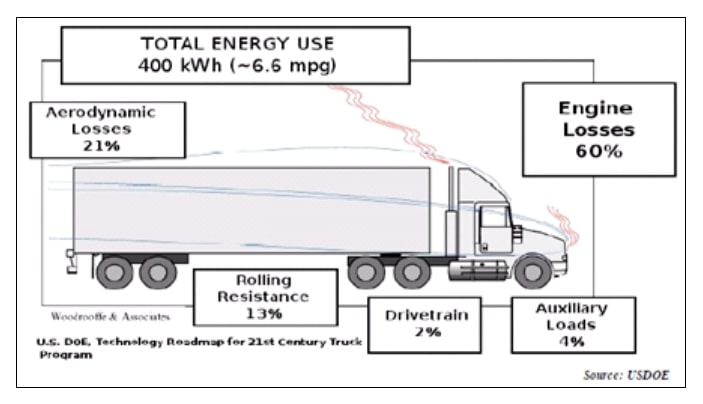
Similarly, every extra pound your truck hauls (that isn’t revenue-generating cargo) makes the engine work harder. Tackling aerodynamics and weight can yield solid fuel savings:
Aerodynamic Add-Ons
If you run van trailers or reefers, you’ve probably noticed the trailer skirt fairings and tail extenders on many rigs – and for good reason. Aerodynamic kits can reduce drag from air friction and pressure, improving mileage. The gains from various add-ons are well documented.
For example:
| Trailer side skirts | ~4–7% fuel savings by smoothing airflow along the trailer’s undercarriage. |
| Trailer tail fairings (boat tails) | ~5–6% fuel savings by reducing turbulence behind the trailer. |
| Truck-trailer gap reducers | ~2–3% savings by guiding air over the gap between cab and trailer. |
| Roof fairings on tractors | If you have a cab without a roof deflector pulling a tall trailer, adding one can save ~5% or more in fuel (by eliminating the huge flat-front pushing air). Most highway tractors today have these integrated, but it’s crucial to spec or adjust them to match trailer height. |
| Full Aero Package (Skirt + Tail + Gap) | Up to 9% fuel savings by combined reduction in underbody and wake drag. |
| Wheel Covers & Tractor-Trailer Wheel Fairings | ~1–2% fuel savings with smooth wheel-well airflow and reduced rotating drag. |
These percentages might sound small, but remember fuel costs tens of thousands per year – 5% of $70k is $3,500 saved. Aerodynamic upgrades often pay for themselves relatively quickly, especially if you run high mileage. Even owner-ops with mid-roof or flat-top trucks have gotten creative: one added a custom “whale tail” fairing to his mid-roof tractor and netted a 0.7 mpg improvement (from ~7 to 7.7 mpg). Over tens of thousands of miles, that’s substantial. Many OEMs offer aero kits, and there are quality aftermarket suppliers as well. It’s worth researching what fits your equipment and operation.
Weight Reduction
Every pound takes energy to move. For long-haul trucks at steady speeds, aerodynamics matter most, but weight still impacts fuel use on grades and in stop-and-go traffic. The U.S. Environmental Protection Agency (EPA) reports that every 10 percent drop in truck weight reduces fuel use between 5 and 10 percent.
While you can’t change the freight itself, you can cut unnecessary vehicle weight:
- Use aluminum wheels instead of steel. Steel wheels often weigh over 70 pounds each, while aluminum versions weigh about 50. Switching to aluminum across a tractor-trailer can remove several hundred pounds, improve heat dissipation, and prevent rust. Combined with fuel-efficient tires, this can improve fuel economy by around 3 percent, according to fleet data.
- Spec lighter components. Options like aluminum air tanks, composite bumpers, or lighter fifth-wheel assemblies can further reduce weight.
- Balance savings with durability. Always verify that any lighter parts meet your operational and safety requirements.
Reducing truck weight is a simple, permanent way to lower fuel use, improve payload capacity, and extend component life.
Remove what you don’t use
Are you carrying around chains in summer?
An extra toolbox full of old parts you never need?
That liftgate or headache rack you never use?
Periodically audit what’s on your truck and trailer. It’s easy to accumulate tools and “just in case” items over the years, but remember, you’re paying a fuel penalty for that weight every mile. Keep what’s necessary for safety and operations, but if it’s truly dead weight, consider shedding it.
Load distribution
Weight and balance play a real role in fuel economy. Poorly distributed loads increase rolling resistance and tire wear, making the truck work harder. Properly balancing cargo and adjusting axles helps ensure even tire loading, which improves efficiency and reduces maintenance costs.
Reducing unnecessary vehicle weight is another proven way to save fuel. The U.S. Environmental Protection Agency (EPA) reports that “every 10 percent drop in truck weight reduces fuel use between 5 and 10 percent,” and that removing 3,000 pounds from a truck can save about 240 gallons of fuel per year. Similarly, the U.S. Department of Energy (DOE) estimates that a 10 percent weight reduction can improve fuel economy by 6 to 8 percent across vehicle types.
The National Highway Traffic Safety Administration (NHTSA) has also modeled heavy-duty truck packages that combine weight reduction with aerodynamic and rolling-resistance improvements, achieving fuel savings between 7 and 24 percent, depending on configuration and duty cycle.
Together, better load balance and weight management can deliver measurable results. Even modest upgrades from lighter wheels and aluminum tanks to composite components and efficient load positioning help fleets move the same freight with less fuel.
Smart Fuel Purchasing and Programs
Finally, let’s address saving money on the fuel you do use. Beyond reducing consumption, paying less per gallon is an obvious way to cut costs. Owner-operators and fleets have several tools to manage fuel purchasing more smartly:
Fuel Card Programs
If you’re buying fuel at retail stops without a fuel card, you’re leaving money on the table. The best fuel card programs offer bulk-like discounts even to small fleets or individual owner-ops. It’s common to see $0.10–$0.20 off per gallon with a good fuel card, especially at major truck stop chains.
These cards leverage the collective buying power of many truckers. Beyond the per-gallon discount, fuel cards often come with fuel management portals – useful for setting purchase controls (to prevent unauthorized buys) and for simplifying IFTA reporting by automatically tracking fuel purchases by state.
Look for a card that aligns with your routes (i.e., discounts at stations you frequent) and has low or no fees. Many state trucking associations or brokers also have fuel discount programs – do some research and pick what’s best for your operation.
Bulk Fuel Buying / Cooperative Purchasing
Larger fleets often buy fuel in bulk (via tanker deliveries) to avoid retail margins. A small fleet cannot usually manage that on its own, but teaming up with others through trucking associations or co-ops can help.
For example, NASTC’s QPN program gives smaller carriers negotiated fuel discounts at major truck stops. Carrier Preferred Pricing (CPP) programs, such as those used by Schneider, offer discounts up to $0.28 per gallon at select TA and Petro stations. In another program, RTS Carrier Services advertises savings averaging $0.25 per gallon at over 3,500 fueling sites. These programs operate without requiring each fleet to store fuel.
Even if you cannot hold bulk fuel, you may participate by “fueling credits” or credit-based bulk purchase models: commit volume to a program and redeem discounted fuel gallons at specified partner stations. This gives small or regional fleets access to bulk pricing benefits without storage obligations.
The principle is the same: volume gives negotiating power. If you can bring predictable gallons to the table, and commit to partners or associations, fuel suppliers will often deal. For growing fleets, these programs are a practical tool in your fuel cost strategy.
Fuel Hedging and Contracts
Larger carriers sometimes hedge fuel or use futures contracts to lock in prices. For small and mid-sized fleets, this can sound complicated, but there are simpler ways to manage price risk. One option is a fixed-price purchasing agreement, where you negotiate a set fuel price for a specific period.
For example, a 20-truck fleet that locked in diesel at $3.50 per gallon for six months in 2024, when average market prices climbed to $3.70, would save around $32,000 over that period. The savings come from paying $0.20 less per gallon across roughly 160,000 gallons of fuel (20 trucks × 8,000 gallons each over six months).
If fuel prices are expected to rise, negotiating a fixed rate with a supplier for part of your annual fuel needs can provide solid protection against price spikes. Industry experts often recommend hedging only 50–70% of your projected fuel consumption. This approach helps you stay covered if prices increase but still lets you benefit if the market drops.
This strategy is not for everyone, but it can be a valuable tool for growing fleets that want predictable fuel costs and more control over their operating expenses.
Plan Fuel Stops Wisely
Fuel prices vary widely along any route. Use apps or route planners to identify cheaper stops. Often major metro areas or one particular state may have pricier fuel due to taxes, while a stop 20 miles down the road saves you 20 cents a gallon. Just don’t detour too far out of route solely for cheap fuel – it’s a balance. Some ELD or dispatch systems can even recommend optimal fuel stops to drivers in route, based on price data. A bit of planning here can shave a nice chunk off your fuel bill over time.
The bottom line is, treat fuel like the precious commodity it is. Negotiate and strategize your purchases, just as you optimize everything else. Whether through fuel cards, group programs, or timing your buys when prices dip, there’s real money to be saved on the purchasing side, complementing the savings from burning less fuel overall.
Conclusion: Putting It All Together
In today’s competitive trucking market, fuel efficiency is survival. We’ve explored a wide range of strategies – from how your drivers behave, to the routes they take, the technology they use, the condition of your equipment, and even how you buy your fuel. None of these tips is science-fiction; they’re practical steps being used right now by successful owner-operators and fleets across the U.S. The key is to combine them into an overall fuel-saving game plan that suits your operation. Research shows that using a holistic approach – addressing driving, routing, maintenance, and purchasing together – leads to consistent improvements in fuel economy and cost reduction.
Start by picking one or two strategies to implement immediately. For example, you could begin by checking and adjusting tire pressures and reviewing idle reports this week. Next week, perhaps explore fuel card options or set a firm company policy on highway speeds. Step by step, build these habits and tools into your daily operations. Small gains (2% here, 5% there) will stack up to a noticeable boost in your profit per mile.
Remember, fuel-saving is not a one-time project but an ongoing effort. Train new drivers on these practices. Keep up with the latest tech (truck manufacturers and independent innovators are always coming out with new efficiency gadgets – from improved aerodynamics to AI-driven cruise control). And most importantly, track your results. Measure your fleet’s average MPG and fuel cost per mile before and after each change. When you see those numbers improve, you’ll know it’s working – and that’s incredibly motivating.
Running a trucking business is tough, and you can’t control everything (rates, weather, traffic – it’s a wild world out there). But fuel consumption is something you can take charge of with the right strategies. By driving smarter, planning smarter, and spec’ing smarter, you’ll keep more money in your pocket and stay ahead in the game. Safe travels and happy fuel saving!
